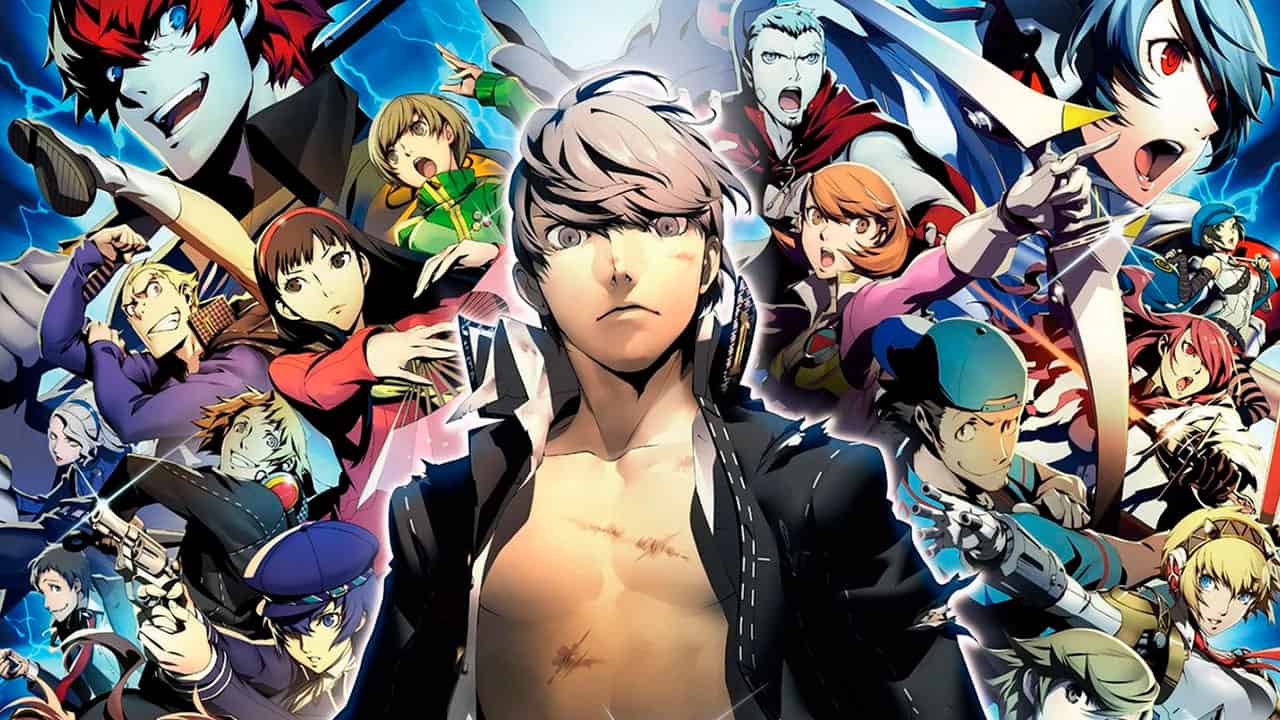
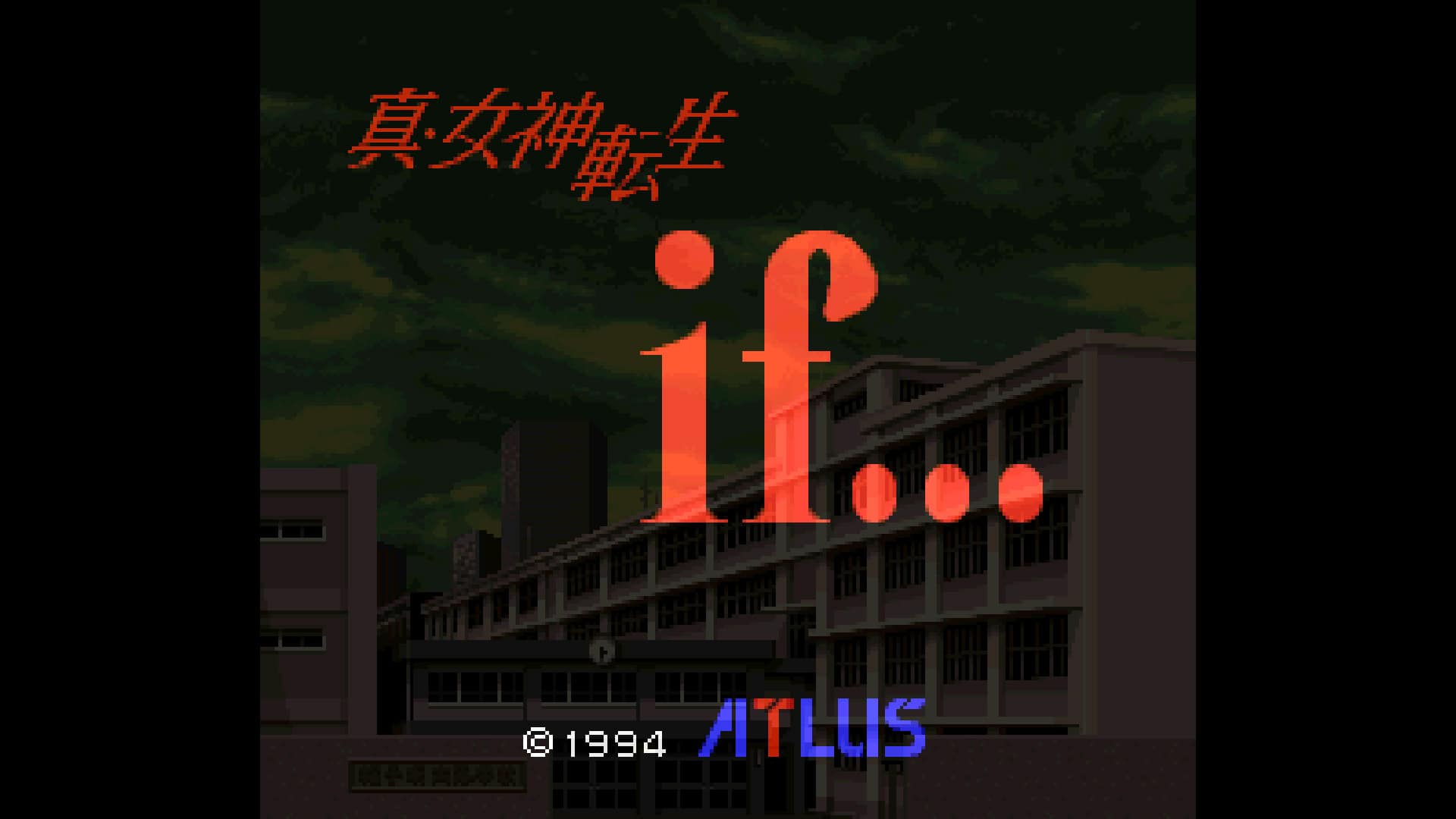
At Summer Game Fest this past June, it was announced that the much-anticipated Atlus roleplaying game Persona 6 is finally in active development. With that exciting new entry looming on the horizon, now seems like the perfect time to revisit the place where the Persona franchise got its roots. You might be thinking “well that was obviously the 1996 PlayStation classic Megami Ibunroku Persona (or Revelations: Persona as it’s known in the West).” And while that technically is the origin of the Persona line of spinoffs, we can actually trace the seeds of the series back another two years – to the 1994 release of Shin Megami Tensei: if… on the Super Famicom.
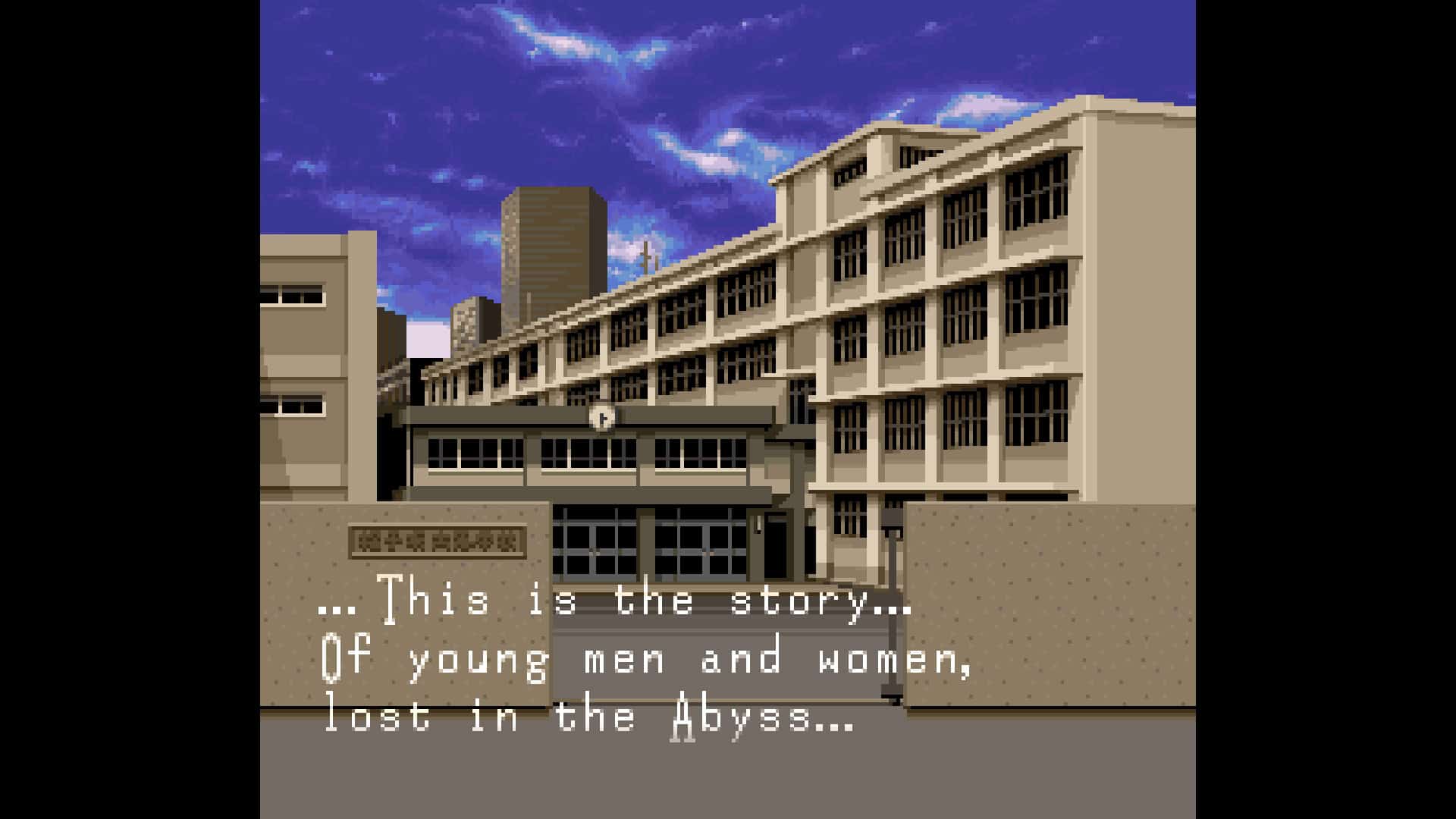
Much like the two previous Super Famicom Shin Megami Tensei games, SMT: if… is a first-person dungeon crawler, where you fight demons in traditional turn-based RPG combat. You recruit these monsters through in-battle dialogue trees, where selecting the correct series of answers allows you to add the demon to the party. Although the game mechanics are mostly the same as its predecessors, SMT: if… differs in its story. Rather than dealing with a nationwide apocalypse like in past titles, the story of this game is instead centered around a single high school – Karukozaka High.
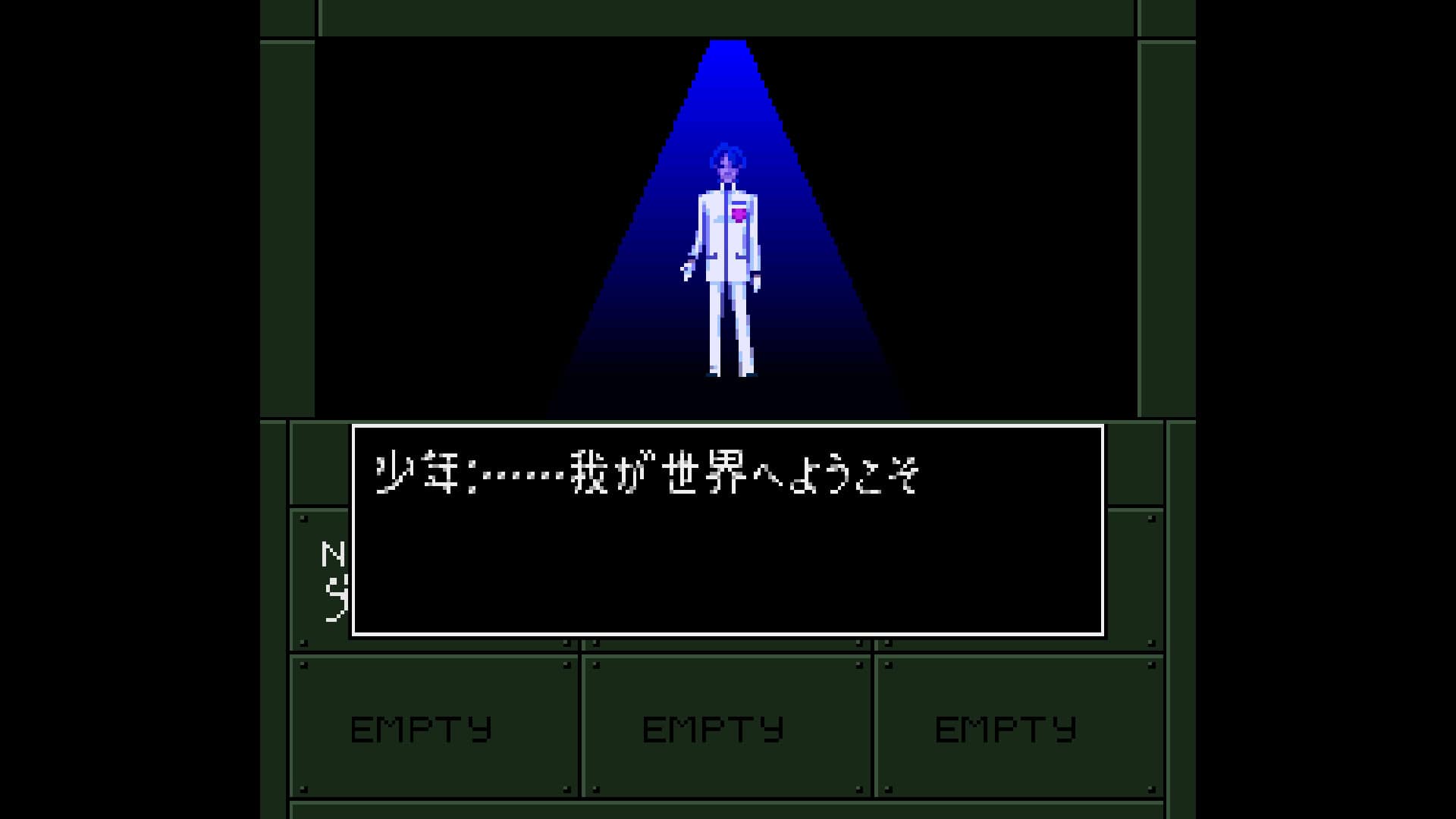
In the year 199X, the students of this ordinary Japanese high school suddenly find themselves transported to a demonic realm known as the Expanse (or “Makai” as it is often referred to in Japanese). The reason? Their genius classmate Ideo Hazama accidentally opened a portal to this hellish world while messing around with some voodoo magic in the school’s gymnasium. Hazama had grown tired of constantly being bullied by his classmates, so in this unfamiliar world he set out to become a new man and proclaimed himself Deity Emperor of all demons. This is where the protagonist comes in – another student on a quest to navigate this Expanse world, defeat Hazama, and return his fellow classmates home. It’s a fairly dark story for a Super Famicom title and explores some rather unexpected themes, like bullying, student-teacher relationships, and PTSD. Depending on the story route you select (there are 4 to choose from), your partner can even wind up staying in this realm with Hazama’s undead soul, insisting that he is merely a victim of his circumstances rather than a truly wicked person. It causes the player to question the morality of their actions, which is really the bread and butter of the Shin Megami Tensei series as a whole.
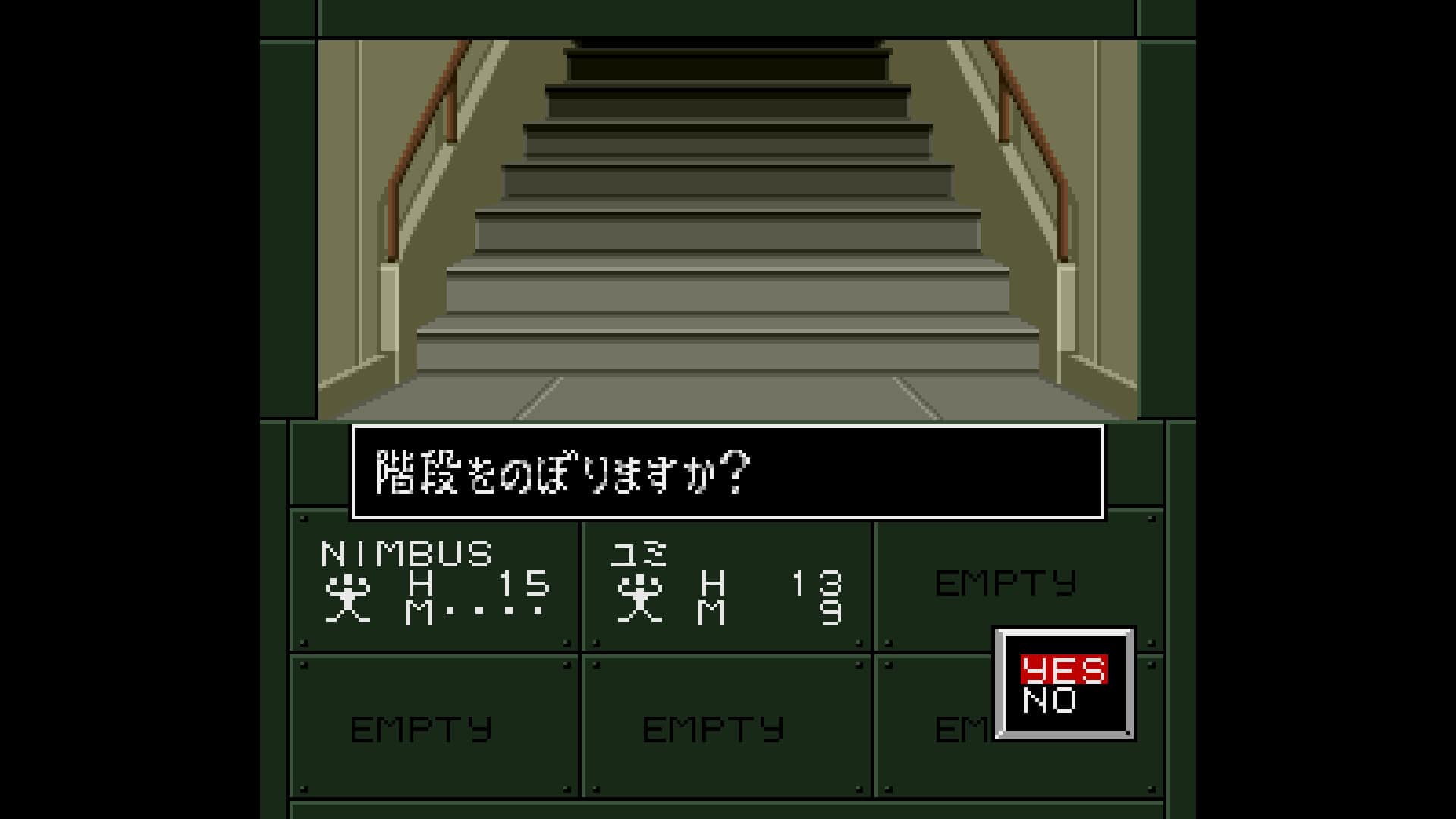
Unfortunately for those of us in the West, SMT: if… never received an official English translation. Back in 1994, the Shin Megami Tensei series had yet to take off outside of Japan. SMT1 and SMT2 got skipped over for localization, so it was no surprise that SMT: if… suffered the same fate. Despite many of those classic titles eventually making their way overseas, SMT: if… still hasn’t received its day in the limelight, even with the game being re-released in Japan for PlayStation 1 in 2002, PSN in 2010, Wii Virtual Console in 2011, iOS in 2013, and even Switch Online in 2021. Thankfully, the passionate fans at Aeon Genesis released an unofficial English patch for the Super Famicom version in 2018, but if you’re still waiting on an official Atlus localization, you may be waiting well into 20XX.

With all of that said, the lack of Western release does bring us to a rather curious entry in the Shin Megami Tensei anthology. As Persona fans are well aware, Atlus is no stranger to merchandising their properties – whether that’s through extra spinoff games, TV series, gacha crossovers, or even themed wedding planners. While the Atlus marketing machine wasn’t in full swing back in 199X, SMT: if… still managed to get swept up in this idea as well with several manga entries.

Enter Shin Megami Tensei: Kahn – a full-on 9-volume manga sequel to the Super Famicom game, penned by illustrator Kazuaki Yanagisawa. I recently stumbled upon a copy of this manga at my local library, and it’s what prompted this whole SMT: if… rabbit hole. The manga is striking in its unforgiving gore, violence, and nudity. The comic doesn’t hold back in its depiction of demon brutality, lending itself well to the dreary and unsettling vibes that the franchise is well known for.
SMT: Kahn picks up six months after the conclusion of the game. Of the 560 Karukozaka High students who disappeared into the Expanse, Nobu (the chosen canon name for the protagonist) and his friend Yumi were the only ones who made it back alive. While the two of them know the horrors of what happened in the demon realm, the authorities back home have gone to great lengths to cover up this incident and push the story out of the news cycle. As traumatized teenagers who had to witness all of their classmates horrifically murdered in front of them, Nobu and Yumi have agreed to go along with this as a way to move forward and return to their normal lives.

While Yumi seems to be suppressing the horrors of this ordeal, Nobu can’t quite move on so easily. He begins snooping around in the dealings of these authorities responsible for the cover-up, most notably U.S. Ambassador Tollman (amusingly based on SMT mainstay Thor), who has gained access to the Expanse portal and is summoning demons for his own exploitative purposes. This, of course, triggers a massive manhunt for Nobu, while he and his new demon buddy Pixie go on the run to evade the corrupt law enforcement agents. It’s quite the exciting story and really does an excellent job of expanding on the world of the original game, while also exploring the real-world effects that such an ordeal would have on real people. It’s a shame that fans in the West are missing out on this story… but wait a minute.

I said that I found a copy of this at my local library, didn’t I? That’s right! Shin Megami Tensei: Kahn was surprisingly actually published in English by Tokyopop in 2008. Why would they bother to translate a 10+ year old promotional manga for a game that never even came to the West? Perhaps there was an SMT mega-fan amongst the Tokyopop staff. The likelier explanation, however, was that they were trying to capitalize on the demand for dark, edgy manga back in the early aughts. With a parental advisory and the tagline “Not since Battle Royale has a manga been so extreme!” emblazoned on the cover, it was quite clear what demographic they were going for.
Whatever the reason for the localization, it was fortunate that Western readers got the chance to experience this hidden gem. Tokyopop only ever translated the first two of the nine Kahn volumes (a volume 3 translation was in the works but got canceled amongst a number of other titles in a July 2008 downsizing), so it seems this was more of a taste rather than a full course. However, the full manga did receive French and Italian releases as well, so hope remains that bilingual fans will someday put together an English translation so that the rest of us can finish reading this tantalizing tale. Perhaps while we patiently await the next tidbit of Persona 6 news, we can pass the time with some Duolingo lessons of our own.
 ObserverCrew Picks
 bserver
 bserver